The Complete Roof Replacement Process for Sandy Homeowners — From First Inspection to Final Walkthrough
A roof does far more than cover a home. It protects families from severe weather, supports energy efficiency, preserves structural integrity, and contributes to long-term property value. In areas where seasonal temperature swings, heavy snow accumulation, strong winds, and intense sun exposure are common, roofing systems experience constant stress throughout the year. Over time, even high-quality roofing materials begin to deteriorate due to aging, moisture intrusion, storm damage, and poor ventilation. Many homeowners delay roof replacement because the process feels overwhelming, expensive, or difficult to understand. However, waiting too long can lead to leaks, insulation problems, mold growth, wood rot, and costly interior damage that extends beyond the roof itself.
Understanding the complete roof replacement process helps homeowners make informed decisions with confidence. From the first inspection to the final walkthrough, every stage plays an important role in ensuring long-term durability, safety, and performance. A properly planned roof replacement improves curb appeal, enhances energy efficiency, increases resale value, and reduces the risk of unexpected repairs. Knowing what to expect during inspections, material selection, scheduling, installation, and cleanup allows homeowners to prepare for the project while avoiding unnecessary stress. With the right guidance and professional workmanship, a roof replacement becomes a valuable investment that protects the home for decades while improving comfort and peace of mind.
Understanding When Roof Replacement Becomes Necessary
Common Signs of Roof Deterioration
Many homeowners first notice roofing issues through small warning signs that gradually worsen over time. Missing shingles, cracked flashing, curling edges, dark streaks, granule loss, sagging sections, and recurring leaks often indicate that the roofing system has reached the end of its lifespan. Water stains on ceilings or attic moisture can signal hidden roof failures that require immediate attention.
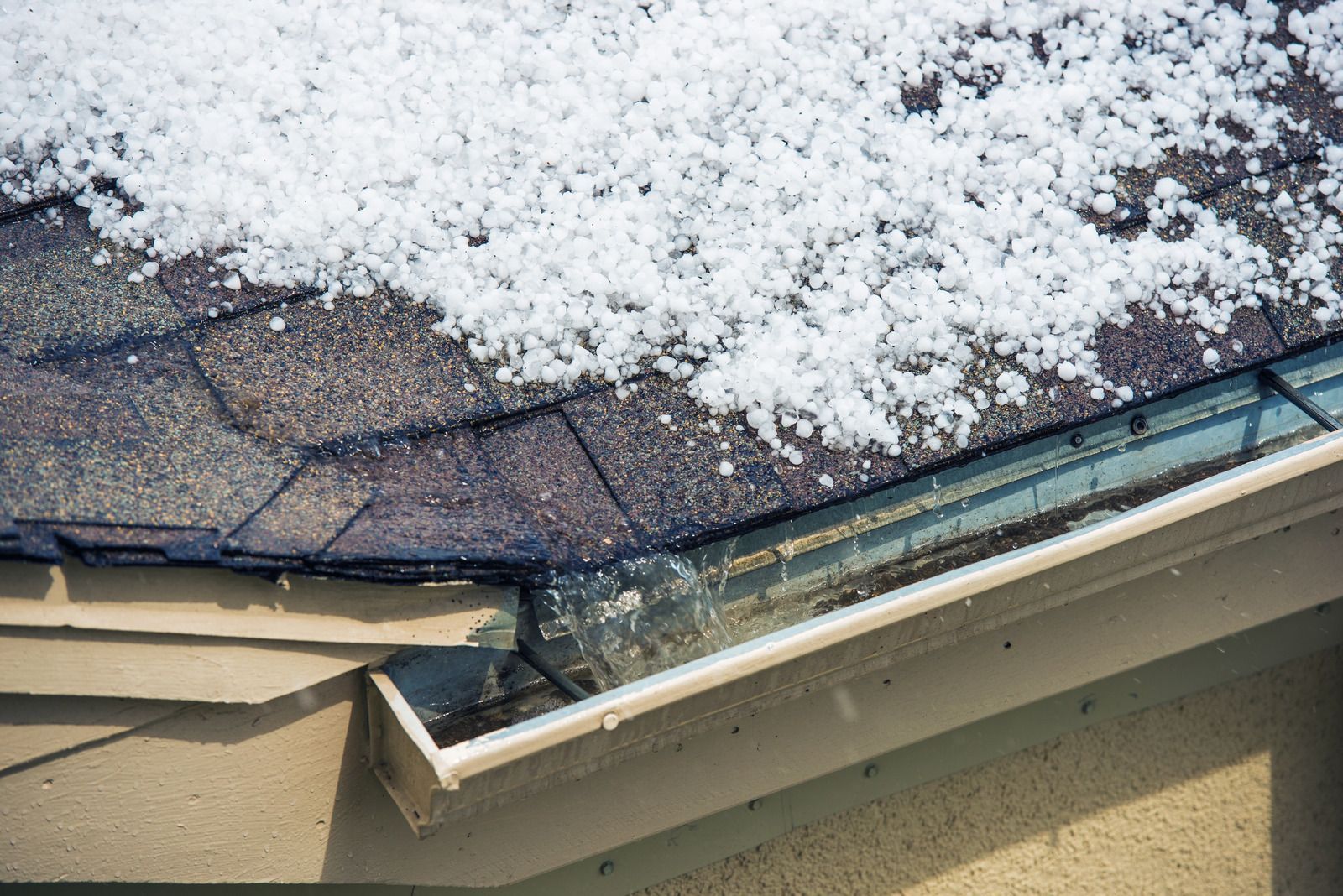
Storm activity also accelerates roofing damage. High winds may loosen shingles, while snow and ice create moisture buildup beneath roofing materials. In older homes, roofing systems often fail due to years of exposure rather than one major event. Ignoring these early signs can result in structural deterioration that affects decking, insulation, and interior finishes.
Why Timely Replacement Matters
Delaying roof replacement often increases repair costs over time. Small leaks can spread into insulation and framing, creating larger structural concerns that become far more expensive to address. An aging roof may also reduce energy efficiency because damaged materials allow heat transfer and air leakage throughout the home.
Replacing a roof before severe failure occurs gives homeowners greater control over scheduling, budgeting, and material selection. Planned roof replacement projects typically move more smoothly than emergency replacements caused by sudden leaks or storm damage. Homeowners who act early often avoid secondary repairs that could have been prevented with timely intervention.
The Initial Roof Inspection and Project Evaluation
What Happens During a Professional Inspection
The inspection phase forms the foundation of the entire replacement process. Roofing professionals evaluate shingles, underlayment, flashing, valleys, gutters, vents, chimneys, skylights, and structural components to determine the overall condition of the roof. The attic may also be inspected to identify ventilation issues, trapped moisture, or insulation problems.
A thorough inspection helps determine whether repairs remain possible or if full replacement provides better long-term value. Roofing professionals document damage patterns, estimate material requirements, and identify hidden issues that may affect installation timelines or costs.
Identifying Structural and Ventilation Concerns
Roof replacement involves more than simply removing old shingles and installing new materials. Structural concerns beneath the surface often influence the success of the project. Damaged decking, weakened framing, or improper ventilation can shorten the lifespan of a new roof if left unresolved.
Poor attic ventilation commonly causes heat buildup and moisture accumulation that accelerate shingle deterioration. During evaluation, professionals assess airflow systems to ensure the replacement roof performs properly after installation. Addressing these issues during replacement improves durability and helps prevent future damage.
Insurance and Documentation Considerations
In some situations, roof damage may qualify for insurance coverage due to storms or unexpected events. Inspection reports, photographs, and damage assessments help homeowners communicate with insurance providers more accurately. Proper documentation also creates transparency throughout the project and helps homeowners understand the scope of work before installation begins.
Choosing Roofing Materials and Planning the Project
Selecting the Right Roofing Material
Material selection significantly affects durability, appearance, maintenance requirements, and overall project cost. Asphalt shingles remain one of the most popular choices because they offer affordability, versatility, and reliable performance. Architectural shingles provide enhanced durability and visual depth compared to standard three-tab shingles.
Metal roofing has also gained popularity because of its long lifespan, weather resistance, and energy efficiency benefits. Tile and slate roofing systems provide exceptional durability and curb appeal but require stronger structural support due to added weight. Material selection should reflect the home’s architectural style, local climate conditions, maintenance expectations, and long-term investment goals.
Color, Style, and Energy Efficiency
Roofing materials influence both appearance and energy performance. Lighter-colored roofing materials reflect sunlight and help reduce heat absorption during warmer months. Darker colors may create a more dramatic appearance but can increase attic temperatures if ventilation remains insufficient.
Homeowners should also consider neighborhood aesthetics and resale value when selecting roofing styles. A well-chosen roof complements siding, stonework, trim, and landscaping while improving the overall visual appeal of the property.
Scheduling and Preparing for Installation
Once materials are selected, the project moves into scheduling and preparation. Roofing contractors coordinate delivery timelines, dumpster placement, safety equipment, permits, and labor scheduling before work begins. Homeowners receive guidance regarding vehicle placement, outdoor furniture protection, attic preparation, and temporary access restrictions.
Preparation reduces disruptions during installation and helps the project remain organized from start to finish. Clear communication during this stage helps homeowners understand project timelines, daily expectations, and weather-related considerations.
Roof Installation, Safety, and Quality Workmanship
Installing the New Roofing System
Once preparation is complete, installation of the new roofing materials begins. Roofing crews follow manufacturer specifications regarding spacing, fastening methods, alignment, and ventilation requirements. Precision during installation affects appearance, weather resistance, and overall roof lifespan.
Proper installation includes accurate shingle overlap, secure fastening, straight alignment, ridge cap placement, and ventilation integration. Even minor installation mistakes can create vulnerabilities that lead to premature wear or moisture infiltration.
Safety Measures Throughout the Project
Roof replacement involves significant safety risks due to steep slopes, heavy materials, elevated work areas, and changing weather conditions. Professional roofing crews use harnesses, fall protection systems, ladders, scaffolding, and debris management procedures to maintain safe working environments.
Safety planning also protects homeowners and the surrounding property. Landscaping, windows, driveways, and outdoor features are shielded from debris whenever possible. Organized cleanup throughout the project reduces hazards and helps maintain property condition during installation.
The Importance of Skilled Workmanship
High-quality roofing installation requires technical knowledge, experience, and attention to detail. Poor workmanship often results in leaks, uneven appearance, wind damage vulnerability, and shortened roof lifespan. Professional installation ensures roofing systems meet local building codes while performing properly under changing weather conditions.
Experienced roofing professionals understand how environmental conditions, roof pitch, drainage patterns, and material compatibility affect installation quality. This expertise helps prevent long-term issues that frequently arise from rushed or improper roofing work.
Final Inspection, Cleanup, and Long-Term Maintenance
Conducting the Final Walkthrough
The final walkthrough gives homeowners an opportunity to review completed work and confirm project expectations have been met. Roofing professionals inspect installation quality, flashing details, ventilation systems, and overall appearance before project completion.
Homeowners may ask questions regarding maintenance recommendations, warranty coverage, drainage performance, and future inspection schedules during this stage. Clear communication ensures homeowners understand how to protect their investment moving forward.
Site Cleanup and Property Protection
Roof replacement projects generate large amounts of debris, nails, packaging materials, and old roofing components. Professional cleanup includes magnetic nail sweeps, debris removal, dumpster disposal, and final property inspection to restore site cleanliness.
Thorough cleanup protects children, pets, vehicles, and landscaping from leftover hazards. A clean worksite also reflects professionalism and attention to detail throughout the project.
Maintaining a Newly Installed Roof
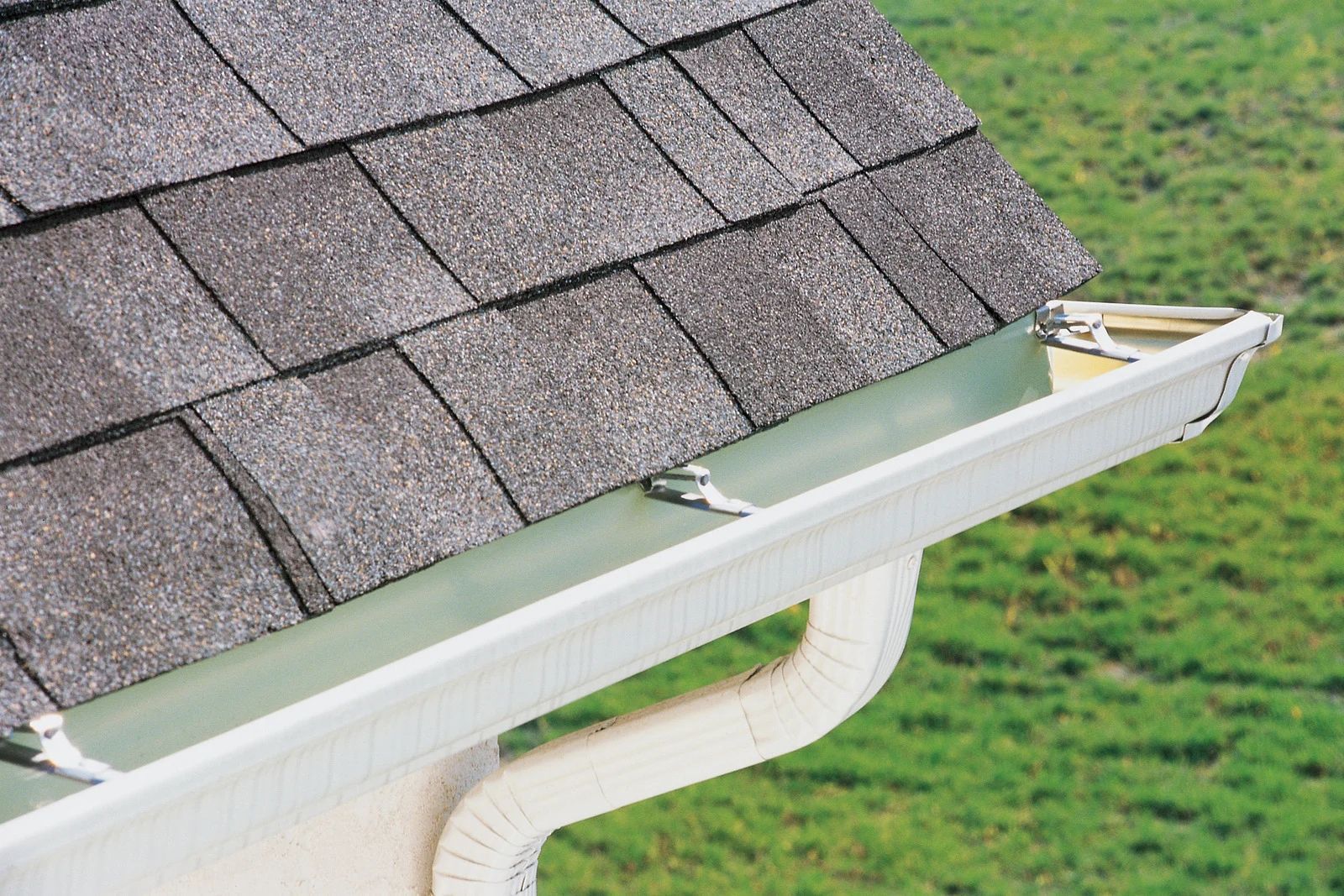
Even a newly installed roof requires ongoing maintenance to maximize lifespan and performance. Regular inspections help identify minor issues before they become major problems. Cleaning gutters, removing debris, monitoring flashing, and checking attic ventilation all contribute to long-term roof health.
After severe storms, homeowners should inspect roofing systems for visible damage or schedule professional evaluations when necessary. Preventive maintenance helps extend roof lifespan while reducing future repair costs.
Skilled Roofing Contractors Providing Superior Replacement Solutions
A complete roof replacement involves far more than installing new shingles. Every stage, from inspection and planning to installation and final walkthrough, contributes to the safety, durability, and long-term performance of the roofing system. Homeowners who understand the process are better prepared to make informed decisions regarding materials, timelines, budgeting, and maintenance expectations. A professionally installed roof not only protects the home from weather damage but also improves energy efficiency, curb appeal, and property value for years ahead.
For homeowners seeking dependable roofing solutions, Stokes and Sons
brings 35
years of industry experience as a trusted roofing contractor serving Sandy, Utah. Our approach focuses on detailed inspections, honest recommendations, quality materials, and skilled craftsmanship designed to withstand demanding weather conditions. We understand that roof replacement is a major investment, which is why we prioritize clear communication, thorough project planning, and careful attention to every installation detail. From the first inspection through the final walkthrough, our goal is to deliver roofing systems that provide lasting protection and peace of mind. With decades of hands-on experience and a strong commitment to workmanship, we continue helping homeowners protect their properties with reliable roofing solutions built for long-term performance.