Signs Your Roof Needs Repair After a Utah Winter
After a Utah winter, the most common signs your roof needs repair are curled or cracked shingles, missing shingles, shingle granules collecting in gutters, water stains on ceilings, damp attic insulation, and bent or corroded flashing around chimneys and vents. Ice dams along the eaves and sagging or uneven roof sections are also red flags. Most of these problems trace back to heavy snow load, repeated freeze-thaw cycles, and trapped meltwater working under the shingles. Catching them in early spring, before summer heat and UV finish the job, keeps a small repair from turning into a soaked ceiling.
Snow sits on your roof longer than you'd think. A storm rolls across the Wasatch Front, drops a foot of powder, and that weight leans against your shingles for days while the afternoon sun melts the surface and the night cold freezes it solid again. By the time the last drift slides off in March, the roof has been through this dozens of times. Some roofs shrug it off. Others come out with lifted shingles, cracked sealant, and water tracking into places it was never meant to go.
Spring is when the damage stops hiding. The snow that covered the problem is gone, the freeze-thaw stress has already done its work, and the first warm rains find every weak spot. A slow walk around your house right now, with a clear idea of what to look for, can spare you a leak that spreads through insulation and drywall come July. Here's what tends to break on Utah roofs over winter, and how to catch it early.
Why Utah Winters Are Hard on Roofs
Roofs along the Salt Lake Valley take a beating that mild-climate roofs never see. Three forces do most of the damage.
Snow load: Wet Wasatch snow is heavy. Pile it up, let it sit, and it presses down on the roof while holding moisture against the shingles for days at a stretch. That steady weight and dampness works sealant loose and softens materials that were already aging.
Freeze-thaw cycling: Sunny afternoons and freezing nights are rough on a roof. Water slips into tiny gaps during the day, then freezes and swells overnight, prying each opening a little wider. A hairline crack in October can be a real gap by April.
Ice dams: eat leaking out of the attic melts snow near the top of the roof. That water runs down to the cold eaves and freezes into a ridge of ice. More meltwater backs up behind that ridge and gets shoved up under the shingles, where it soaks into the deck and works its way inside. It's one of the most damaging winter roof problems around here, and one of the easiest to miss.
Read the signs with those three forces in mind and most of them make sense. Nearly everything you spot in spring is a fingerprint left by snow load, freeze-thaw, or an ice dam.
Signs You Can Spot From the Ground
You don't need a ladder to catch most of this. Take a slow lap around the house with a clear view of the roofline and you'll see plenty.
Curled, cupped, or cracked shingles: Freeze-thaw stress and constant damp make asphalt shingles lift at the edges or split across the middle. A curled shingle no longer lies flat, so wind and water get underneath it. From the yard, look for shingles that throw little shadows or ripple instead of sitting smooth.
Missing shingles: Valley wind peels off loose or already-weak shingles without much trouble. Every bare patch leaves the underlayment and roof deck open to weather and sun, and even a small gap turns into a leak over time.
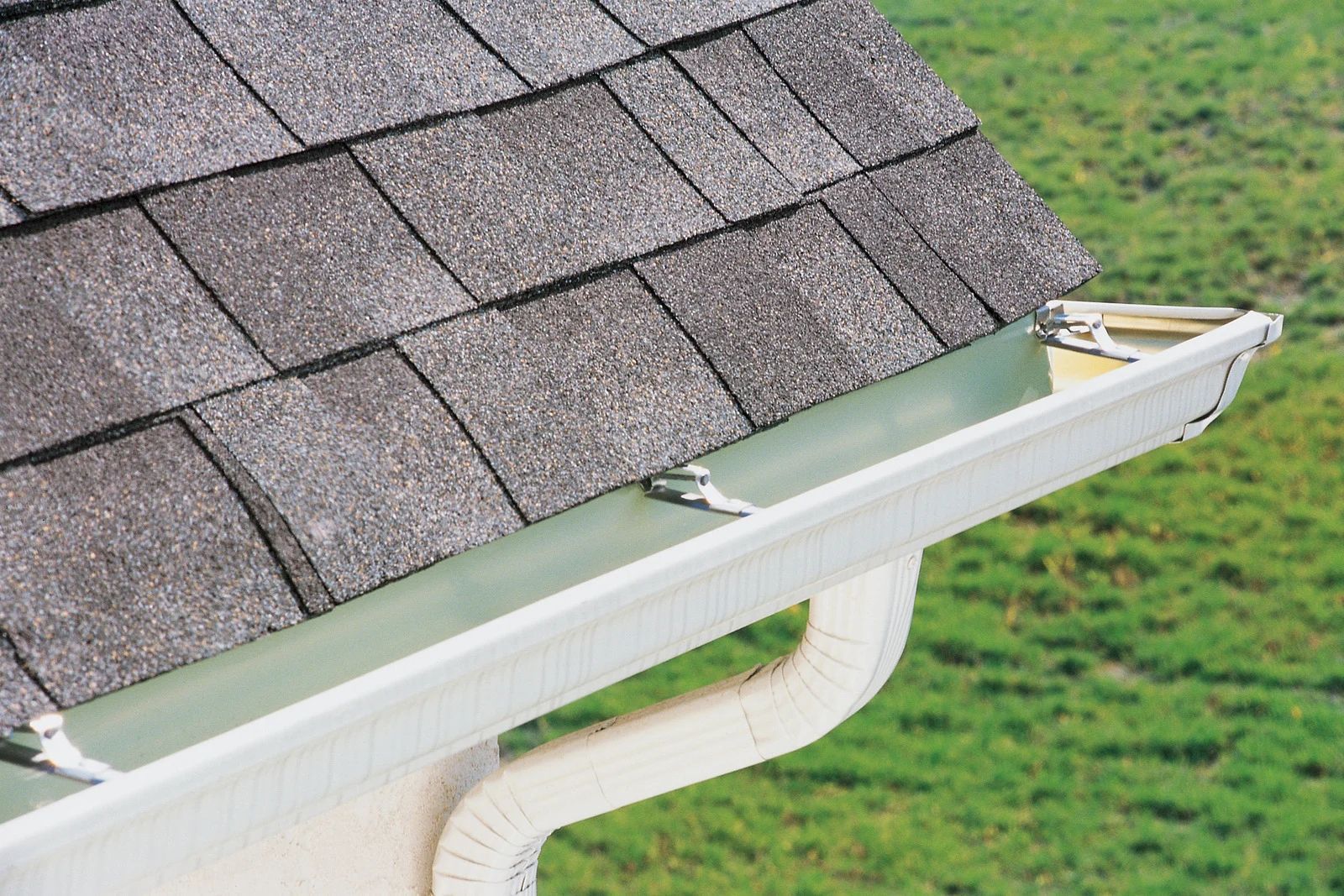
Granules in the gutters: Asphalt shingles wear a coat of mineral granules that shields them from sun and rain. As they age and take winter abuse, they shed those granules into the gutters. Piles of what looks like coarse black sand mean the shingle surface is getting thin.
Sagging or uneven roof sections: A roofline that dips or looks wavy can mean long snow-load stress or moisture that has reached the decking. Don't sit on this one. It can point to a structural problem rather than a surface one, and it deserves quick attention.
Damaged or lifted flashing: Flashing is the metal that seals the joints around chimneys, skylights, vents, and valleys. Ice and shifting bend it, loosen it, or eat it with corrosion. Since flashing guards, the exact spots where water wants in, bad flashing leaks even when the shingles look fine.
Signs You'll Find Inside the Attic
Some of the clearest evidence isn't on top of the roof. It's underneath. On a dry day, grab a flashlight and head into the attic.
Water stains and streaks: Dark or rusty streaks on the underside of the deck or along the rafters mean water has been getting in. Fresh stains feel damp. Old ones are dry and discolored. Either way, something up there is letting water through.
Damp or matted insulation: Insulation that looks flattened, darkened, or feels wet has been soaking up moisture. Wet insulation stops doing its job, and that actually feeds the ice-dam cycle by letting more heat escape to the roof.
Daylight through the boards: See pinpoints of daylight coming through the deck? Water can follow the same path. Note where they are so someone can check those spots from above.
Frost, moisture, or a musty smell: Frost on the underside of the deck in cold weather, or a stale musty odor, points to trapped moisture and poor ventilation. Bad attic ventilation sits at the root of ice dams and short shingle life, so it's worth catching now.
Inside clues often show up before anything looks wrong on top. A water stain creeping across a bedroom ceiling or bubbling paint on an upstairs wall usually means the moisture has already traveled well past where it first got in.
Ice Dams and the Damage They Leave Behind
Ice dams earn their own section because they wreck things quietly. The winter giveaway is thick icicles hanging off the eaves and a wall of ice built up along the lower edge of the roof. It can look almost pretty. That ice is pinning meltwater against your roof and pushing it under the shingles.
By spring the ice is long gone, but the receipts stay. Stained or peeling paint near the top of exterior walls. Water marks in the corners of upstairs rooms. Warped shingles along the eaves. Gutters bent or torn loose by the sheer weight of the ice. If you watched ice dams build up this winter, treat the eaves and flashing in those areas as suspect even if nothing's dripping today.
Tip: Clearing your gutters before winter and beefing up attic insulation and ventilation are two of the best ways to stop ice dams before they form. A roof that stays evenly cold underneath sheds snow more evenly and gives meltwater far fewer chances to refreeze at the edge.
Don't Forget the Gutters, Soffit, and Fascia
Winter damage rarely stops at the shingles. The drainage that carries meltwater off the roof takes a hit too, and trouble there loops right back into roof trouble.
Heavy ice and freeze-thaw movement pull gutters loose, crack the seams, or bend the hangers until water no longer drains where it should. Clogged or sagging gutters spill meltwater near the roof edge and foundation, and they help build the very ice dams you're trying to dodge. The soffit and fascia, the boards that close off the underside and front edge of the eaves, rot fast when they stay wet through a long winter. Soft, peeling, or discolored fascia means moisture has been sitting where it shouldn't.
These parts work as a team. A good spring inspection looks at the roof, flashing, gutters, soffit, and fascia together instead of checking the shingles and calling it done.
What to Do When You Spot the Signs
One or two warning signs don't automatically mean a new roof. A lot of winter damage is local and fixable: a run of lifted shingles, a stretch of bent flashing, a single leak traced back to a cracked seal. The trick is acting while the problem is still small.
The smart next step is a professional roof inspection. A qualified roofer gets on the roof safely, traces a stain back to where the water really enters, checks the flashing and valleys where leaks like to hide, and tells you straight whether the fix is targeted or something bigger. Our crews handle shingle repair, flashing repair and replacement, leak detection, storm damage repair, and tile and flat roof work across the Wasatch Front, and we read the whole exterior as one system instead of patching a spot and missing the cause.
Warning: Don't climb onto a winter or early-spring roof to inspect it or clear it yourself. Wet, icy, and frost-covered surfaces are dangerously slick, and walking on cold shingles can crack them and create fresh damage. Chipping ice off the eaves almost always does more harm than the ice ever would. Look from the ground and the attic, and leave the rooftop to someone with the footing and gear for it.
Waiting is what turns a cheap fix into an expensive one. A small leak left alone through spring rains spreads into insulation, drywall, framing, and flooring, and it opens the door to mold. Your roof is the one part of the house that protects everything under it. When it sends signals after a hard winter, take them seriously.
Frequently Asked Questions
How soon after winter should I check my roof for damage?
Early spring is the sweet spot — after snow melts, before summer heat and UV add stress. Checking in March or April catches freeze-thaw and ice dam damage early, before spring rains find every weak spot.
Can I inspect my roof myself, or do I need a professional?
Ground and attic checks work for curled shingles, granules in gutters, or damp insulation. Anything requiring rooftop access needs a professional — it's dangerous, and an experienced roofer traces leaks and checks flashing far more reliably.
Do ice dams always mean my roof needs repair?
Not always, but they're worth a closer look. Ice dams push water under shingles and can damage flashing, decking, and eaves even without visible leaks yet. If you saw ice dams this winter, have those areas inspected.
What is the difference between needing a repair and needing a replacement?
Isolated issues — a few lifted shingles, damaged flashing, one traceable leak — usually mean repair. Widespread wear, a sagging deck, or a roof near end-of-life may mean replacement. An inspection weighs age and condition to guide the decision.
Why are granules from my shingles showing up in the gutters?
Shingles wear a protective granule coating that sheds with age and weather exposure. Granule piles in gutters or below downspouts after winter signal the shingle surface is thinning, leaving those areas exposed to sun and moisture.
How does poor attic ventilation lead to roof damage in winter?
Escaping warm air melts snow unevenly, feeding ice dam formation at cold eaves. Poor ventilation also traps moisture that rots the deck and shortens shingle life. Balanced insulation and ventilation keep the deck colder and more even.
Read the Signs Early to Protect Your Roof
A Utah winter always leaves clues. Reading them early is the whole difference between a quick repair and a soaked ceiling by midsummer. Walk your property this spring, check the attic on a dry day, and treat any curled shingle, stain, or ice dam mark as your roof asking for a look before small issues turn into costly damage.
With 35 years of experience serving Sandy, Utah, Stokes and Sons knows exactly what winter leaves behind on local roofs. Our team assesses the full exterior system, not just the shingles, to catch what a quick glance might miss. Spotting these warning signs now means addressing them before the next season's weather puts additional strain on an already weakened roof.